Co-Hosted by SSIP & Innovian Space
Leveraging Space Environments to Unlock Market Advantage
Global Microgravity Forum
A curated executive forum designed to bring together leaders from industry, research, and investment to explore how space-based environments are rapidly becoming strategic platforms for innovation, product differentiation, and scaling new market opportunities.
Featuring experts with over 25 years' experience in using space environments to innovate, now pioneering commercial development of new in-space services and manufacturing at Innovian Space.
HSLU (BIOTESC) and Big Pharma.
23 January 2026 · Global Microgravity Forum
Full-day forum with private session.



Microgravity environments enable performance gains in biological, chemical, and materials processes that cannot be reproduced on Earth.
These advantages are no longer limited to space agencies; they are now commercially accessible and strategically relevant to biotech, pharma, and advanced materials companies, among others. This forum explores how microgravity-enabled innovation can translate into real commercial value for Swiss and European industry.
What We Will Explore
The Physical and Biological Advantages of Microgravity
How reduced gravitational forces alter molecular assembly, protein folding, tissue structuring, and crystalline formation — and why this matters for drug discovery, biologics development, and advanced material performance.
Access Has Changed
The emergence of commercial orbital stations, hosted payload programs, free-flying platforms, increased launch and return frequency, and cost reductions now make repeatable and scalable R&D and manufacturing possible.
Case Studies from Non-Space Sectors
How companies in biotech, regenerative medicine, oncology, materials science, and additive manufacturing are already leveraging microgravity to accelerate development, improve function, or differentiate product performance.
Private Strategy Sessions (B2B / Speed Strategy)
Structured one-to-one advisory dialogues where each participating organization can explore where microgravity may benefit their existing pipeline, what is technically feasible now, and what a practical first-step experiment or pilot might look like.
Switzerland's Strategic Position
Why Switzerland offers one of the most favorable environments globally for microgravity-enabled innovation: regulatory clarity, dense research ecosystem, R&D-to-market acceleration, international neutrality and scaling pathways.
About Innovian Space
The Innovian team has played a central role in the development of commercial low Earth orbit (LEO) ecosystems for over 25 years. We understand both the scientific and manufacturing advantages of space environments, and the historical barriers that made in-space R&D difficult to scale.
Today, Innovian works to make space meaningfully accessible to industry, helping companies design microgravity-enabled R&D strategies, identify economically viable use cases, navigate commercial platforms as an end-user advocate, and translate discoveries into real business outcomes.
Innovian is platform-agnostic and focused entirely on methods for accessing the environment, not on selling access to it.
Forum Agenda
23 January 2026 · Technopark Luzern
Institutional Opening
SSIP • Technopark Luzern
Setting the Strategic Context
A short institutional welcome framing the Forum's objectives, the closed-door nature of the discussions, and Switzerland's role as a neutral, precision-driven innovation hub connecting industry, academia and international partners.
Opening Keynote
Microgravity as a Strategic Industrial Environment
A strategic perspective on how low-Earth orbit is evolving from a government-led research domain into a commercially viable extension of the global industrial ecosystem — and what this transition means for European companies today.
Executive Plenary
From Scarcity to Strategic Access
A closed strategic dialogue on how access, platforms, logistics and return capabilities have fundamentally reshaped the economics of microgravity — enabling repeatable, contract-driven industrial use.
Private Networking Break
Curated executive interactions.
Executive Case Dialogues
Microgravity as a Competitive Advantage
Invitation-only case dialogues illustrating how non-space sectors including pharma, biotech and advanced therapeutics are already using microgravity upstream to reduce uncertainty, accelerate development and de-risk industrialization.
Executive Lunch
Private lunch for continued strategic exchange.
Strategic Positioning Session
Switzerland in the Global Microgravity Value Chain
A strategic discussion on Switzerland's role as a precision, scale-neutral hub for space services, research and industrial translation.
Strategic Synthesis
Key insights, convergences and framing for follow-up actions.
Closed Strategy Sessions
Parallel Executive Dialogues & Bilateral Meetings
Facilitated closed-door discussions, bilateral meetings and ecosystem alignment among invited participants.
Apéro
From Dialogue to Action
SSIP Community apéro connecting forum participants, turning conversations into 'next steps'.
Participation
Attendance is strictly limited and by personal invitation only.
The Executive Forum is conducted without media presence to ensure open, candid and decision-oriented exchange.
Panel Speakers
Microgravity Biologics: From Discovery to Industrial Reality


Christian Maender
Chief Executive Officer | Innovian Space
Throughout his career in the space sector, Christian Maender has focused on transforming low-Earth orbit from a government-led research environment into a commercially sustainable industrial domain. He has played a central role in enabling repeatable, end-user-driven utilisation of microgravity, bridging public space infrastructure with private-sector demand across life sciences, advanced manufacturing and technology.
Christian brings deep operational and institutional expertise from nearly two decades working with the International Space Station ecosystem, where he held senior roles at NASA, including ISS mission integration, payload management and commercial utilisation. His work directly contributed to opening the ISS to non-traditional users and establishing the operational foundations required for industrial access to microgravity.
Transitioning into the private sector, Christian served in leadership roles at Axiom Space, where he advanced space commercialisation and in-space manufacturing, helping define pathways for industry to move beyond one-off demonstrations toward contract-driven, scalable microgravity applications. He later joined Innovian Space, a spin-out of Barrios Technology, the largest NASA contractor, where he now leads the company’s strategic vision and commercial execution.
Christian envisions a future in which low-Earth orbit becomes an integral extension of the global economy, enabling new industrial capabilities that accelerate innovation on Earth while establishing a resilient and commercially robust space ecosystem.
Jana Stoudemire
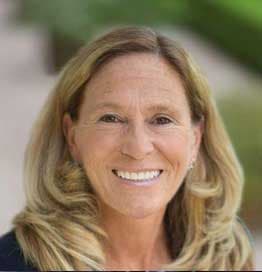
Chief Commercial Officer | Innovian Space
Throughout her career in the space industry, Jana has focused on the development of economically sustainable and profitable uses of space that benefit life on Earth. She successfully established the foundational partnerships that are defining the emerging market sectors for healthcare and technology in the expanding space economy. In addition to a strong technical background, Jana has a career history marked by successful identification of new business opportunities for private and public healthcare companies, along with product development and global commercialization of some of the most innovative healthcare technologies. She transitioned from a successful career in pharma, biotech and medical device, to lead life science research in microgravity as part of the team managing the International Space Station U.S. National Laboratory (ISS-NL), served as Commercial Innovation Officer for Space Tango, and as Global Director, In-Space Manufacturing for Axiom Space.
Jana envisions a future where the definition of ‘global’ will expand to create a world economy that includes a robust commercial space economy in low Earth orbit. Jana is a past member of the National Academies of Sciences, Engineering, and Medicine Committee on Biological and Physical Sciences in Space (NAS CBPSS), Regenerative Medicine Manufacturing Society member, NSF Piedmont Triad Regenerative Medicine Engine In Space Innovation, Translation and Education Core (ITEC) Lead, a WOMEN In Advanced Therapies (WIAT) leadership mentor, and past New Organ Alliance Oversight Committee Member, along with co-chair of the Microgravity Enabling Technology Committee.


Prof. Dr. Marcel Egli
Head of Institute of Medical Engineering | Lucerne University of Applied Sciences and Arts (HSLU)
Throughout his career at the intersection of space biology, medical engineering, and applied research infrastructures, Prof. Dr. Marcel Egli has concentrated on enabling the commercial and operational translation of biomedical research in microgravity. His work combines academic excellence with practical implementation, supporting the development of space-enabled life science research into repeatable and dependable innovation pathways.
As Head of the Institute of Medical Engineering at HSLU, and its Space Biology Group, as well as a Director of the Center for Space and Aviation Switzerland and Liechtenstein, Marcel leads multidisciplinary teams across biomedical engineering, space biology, and translational research. He plays a key role in Europe’s microgravity ecosystem through BIOTESC, the ESA User Support and Operations Centre, supporting the preparation, execution, and post-flight analysis of biological and biomedical experiments on the International Space Station and other microgravity platforms.
Marcel brings deep operational insight into the scientific, regulatory, and technical foundations required to move microgravity research beyond isolated experiments toward scalable, industry-relevant applications. His work directly supports collaboration between academia, industry, and space agencies, helping establish Switzerland and Europe as credible hubs for space-enabled biomedical innovation.
He envisions a future where microgravity research infrastructures become a seamless part of the global biomedical and healthcare innovation ecosystem, speeding up discoveries on Earth while boosting Europe’s long-term competitiveness in space life sciences.
Dr. Magdalena Herová
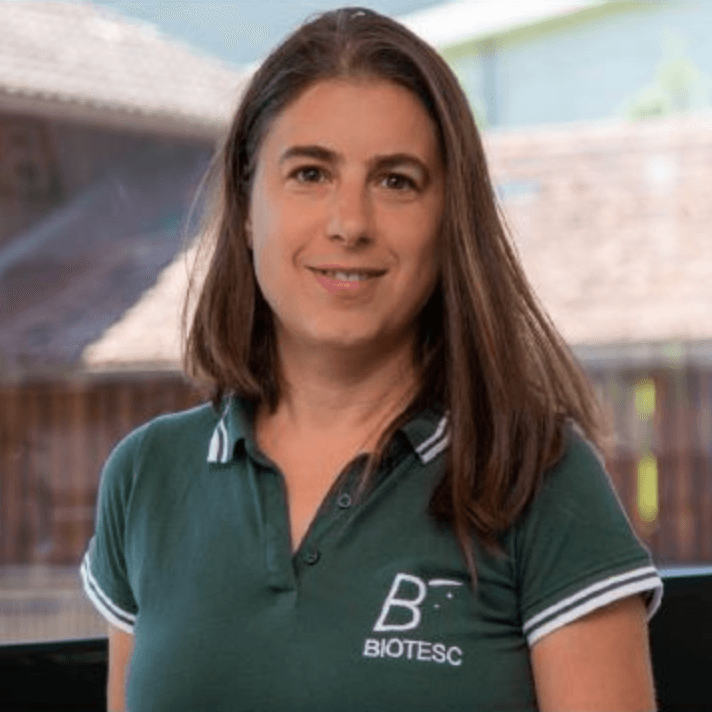
Lecturer & Space Biology Specialist | Lucerne University of Applied Sciences and Arts (HSLU) / BIOTESC
Throughout her career, Dr. Magdalena Herová has focused on the operational translation of space biology and life-science research in microgravity, bridging fundamental science with applied research infrastructures that enable real-world impact on Earth. Her work sits at the intersection of biology, space operations, and translational research
At the Lucerne University of Applied Sciences and Arts (HSLU), Magdalena is actively involved in BIOTESC, the ESA User Support and Operations Centre, supporting the preparation, execution, and exploitation of biological experiments on the International Space Station and other microgravity platforms. She brings hands-on experience in experiment design, operational constraints, and scientific exploitation in spaceflight environments.
Magdalena plays an important role in connecting academic research, ESA-supported infrastructures, and emerging industrial users, helping ensure that microgravity-enabled life-science research is conducted in a robust, repeatable, and operationally sound manner. Her work contributes to building trusted pathways for industry, startups, and research institutions seeking to leverage microgravity as a tool for innovation.
She envisions a future in which space biology becomes a mature, accessible, and integrated component of the global life-sciences and biomedical innovation ecosystem, accelerating discovery and application on Earth through well-governed space research infrastructures.

Toby Call
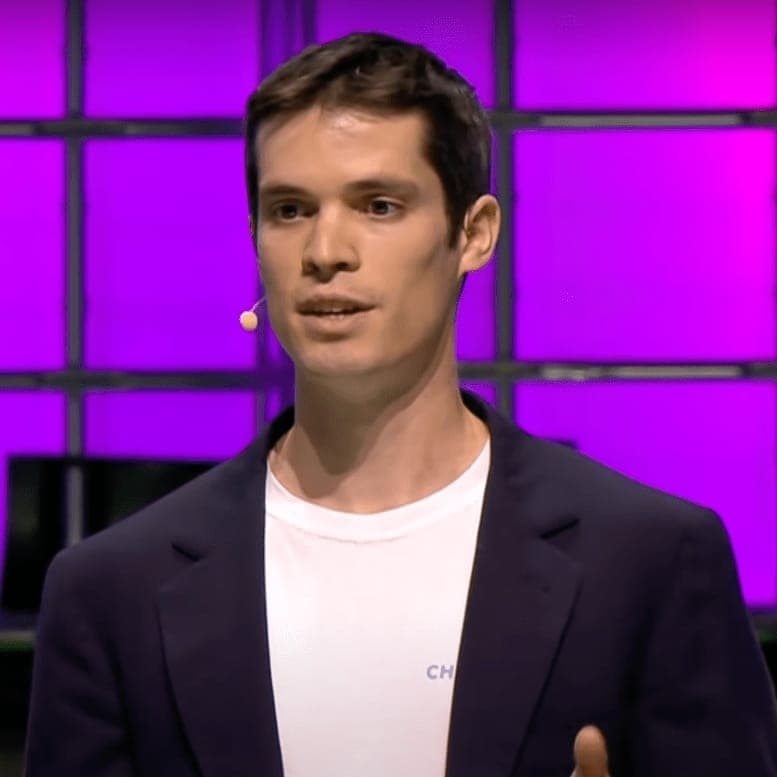
Founder | Mass Balance Ltd
Toby is co-founder and CEO of Mass Balance, a London headquartered company with R&D links to Bengaluru pushing the boundaries of cell and protein sciences with microgravity. He studied bioscience at Oxford, synthetic biology at UCL, and holds a PhD in Industrial Biochemistry from Cambridge, where he worked on photobioelectrochemical systems - living solar panels. He is a graduate of the International Space University SSP 2015, at Ohio University, where he was the only biologist. Ever since, Toby has been obsessed with bringing biotech to space and back.
Toby previously co-founded Chronomics (now Hurdle), where he helped the company commercialise the first non-invasive epigenetics and AI biological aging test kit, build and launch the first inflammaging biomarker test with Bayer, become a international testing supplier during covid, and pioneer large scale diagnostics-as-a-service. Now, with Mass Balance, Toby is following a passion in space and biotech to bring the unfair advantage of microgravity to discovery and manufacturing of protein therapeutics, our most powerful weapons against intractable chronic diseases like cancer, autoimmunity, and neurodegeneration. He sees a world where every biopharma needs its space portfolio to stay competitive.
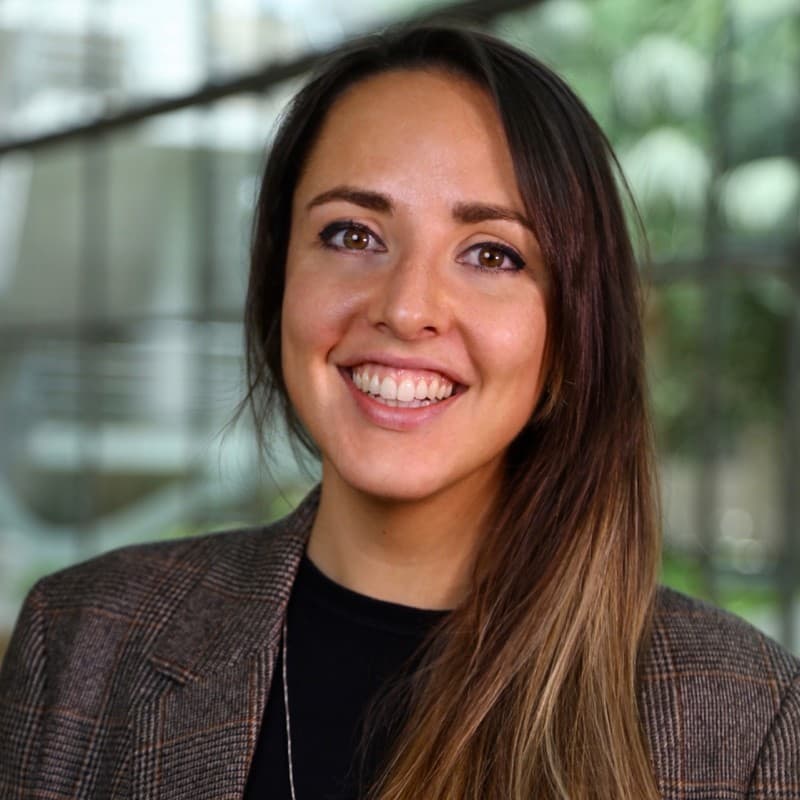

Dr. Katie King
Co-Founder & CEO | BioOrbit
CEO and co-founder of BioOrbit, a company building a pharmaceuticals factory in microgravity to revolutionise cancer treatment. BioOrbit aims to bring a paradigm shift to the administration route of cancer treatments. Much like diabetics self-inject with solutions of crystalline insulin, through crystallising antibodies in microgravity, subcutaneous derivatives of anticancer treatments can be formulated, enabling cancer sufferers to self-inject at home. She is a strong believer that science in a microgravity environment can be used to accelerate healthcare and drug development on Earth, and has won some notable awards, including the ‘Innovator Award 2024’ at Everywoman in Tech Awards and Codex World top 50 Innovators ‘Top Female Innovator’.
Katie completed her PhD in nanomedicine at the University of Cambridge in 2022, has worked at NASA, AstraZeneca and spent several years as an RAF volunteer reservist. Her vision is to see BioOrbit as the go-to manufacturing line and research facility in microgravity.
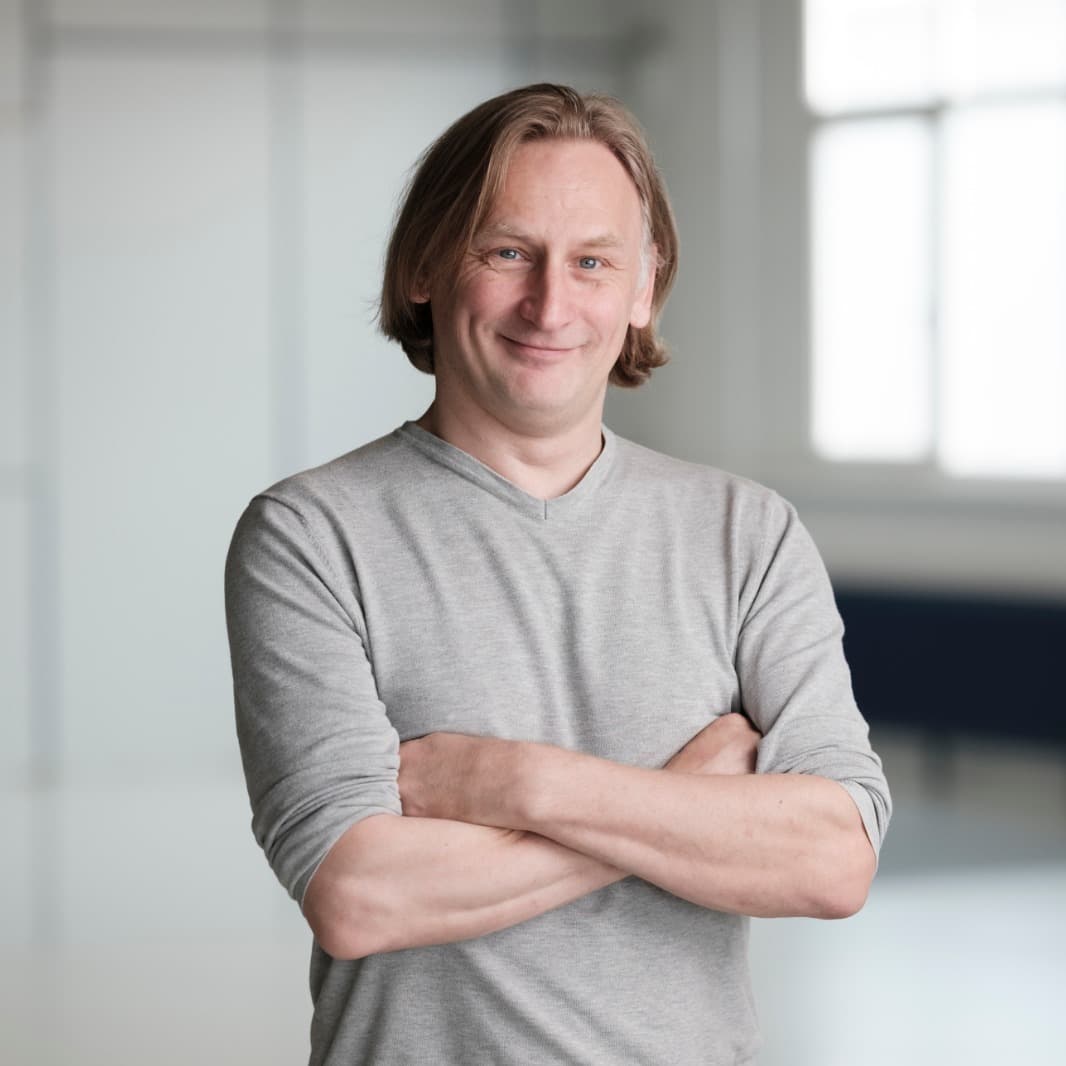

Jeff Hendrikse
Co-Founder & CTO | ATMOS Space Cargo
Jeff Hendrikse is Co-Founder and Chief Technical Officer at ATMOS Space Cargo, bringing more than 20 years of experience across European and international space missions. His career spans human spaceflight, exploration missions, Earth observation, and advanced spacecraft architectures, with a strong focus on systems engineering and mission execution.
Prior to founding ATMOS, Jeff spent many years at Airbus Defence & Space, where he contributed to flagship programs for ESA, EUMETSAT, DLR, and JAXA. His work includes major missions such as the ISS resupply mission ATV-1 Jules Verne, the Herschel Space Telescope, MetOp-B and MetOp-C weather satellites, the JUICE mission to Jupiter’s moons, and DLR’s MASCOT lander aboard JAXA’s Hayabusa-II asteroid mission.
With a background in Applied Physics and Machine Language, Jeff has been deeply involved in spacecraft development across the full lifecycle — from system design and architecture to assembly, integration, testing, launch, and operations. This end-to-end expertise enables him to bridge technical innovation with operational reliability.
At ATMOS Space Cargo, Jeff leads the technical vision behind reusable orbital logistics systems, including PHOENIX, the company’s Orbital Transfer and Return Vehicle. His work focuses on enabling sustainable, circular use of space by closing the return gap in space logistics and strengthening Europe’s long-term technological sovereignty and resilient space infrastructure.
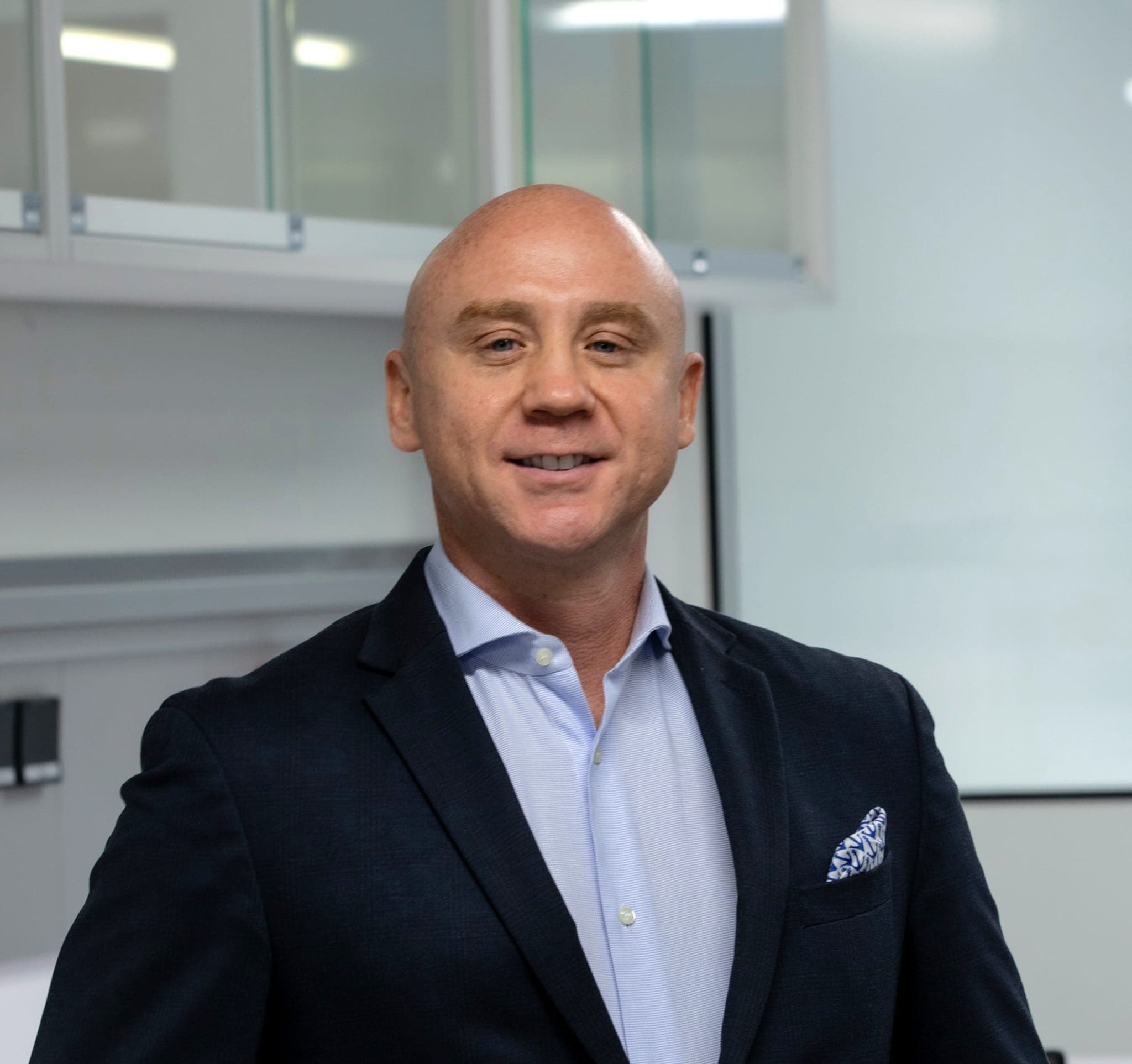

Kyle Acierno
Co-Founder & CEO | Exobiosphere
Kyle is the CEO and Co-Founder of Exobiosphere, a company dedicated to leveraging microgravity environments to accelerate drug discovery. He also leads the Space Vertical at the Luxembourg Business Angel Network, where he supports innovation and investment across the commercial space sector.
An international expert in commercial space and a specialist in lunar exploration, Kyle brings over a decade of experience spanning space science, engineering, policy, law, finance, and business development. He is a frequent contributor to discussions on space resources and space governance, serves on the Board of World Space Week, and has held key leadership roles within international space institutions, including the International Astronautical Federation and The Hague Space Resources Governance Working Group.
Holding both Canadian and Italian citizenship, Kyle combines a global perspective with a strong passion for exploration, having lived in 13 countries and visited over 100. He holds a Bachelor’s degree in International Security from Simon Fraser University and a Master of Science in Space Studies from the International Space University in France.


Mari Anne Snow
CEO & Co-Founder | Eascra Biotech
Mari Anne Snow is the CEO and co-founder of Eascra Biotech, a Massachusetts-based life sciences company pioneering the development of space-made therapeutics using its proprietary Janus Base Nanoparticle (JBNp) platform.
Under her leadership, Eascra has become a multi-award recipient of NASA and NSF programs advancing in-space manufacturing for next-generation nanomedicines. A longtime advocate for patient-centered innovation and responsible technology development, Mari Anne brings a pragmatic business lens to the evolving low-Earth orbit (LEO) economy.
Her work bridges biotechnology, space infrastructure, and healthcare delivery, building the foundations for safe, effective, and commercially viable space-enabled medicines designed to improve global health outcomes.


Markus Häuser
Founder & CEO | euconvest GmbH
Markus Häuser is the Founder & CEO of euconvest GmbH and Chairman of Space Cooperative Europe (SCE). He brings more than 25 years of experience in global markets and investment banking, with a strong focus on structuring & origination, private investor and family office advisory, investments, financing and strategic advisory, complemented by formal training in international and corporate law and an MBA in Finance, Strategy & Innovation.
Today, Markus operates at the intersection of space, life sciences, agri-food and finance, focusing on the commercialisation of space research and the translation of publicly funded innovation into scalable, market-ready applications on Earth. He is a strong advocate for private capital mobilisation, investment-ready structures and clear market access as enablers of sustainable growth and long-term innovation in the space sector.
His career spans senior leadership roles in banking and investment, advisory functions for private and institutional investors, political engagement in economic innovation, and the development of the European space economy, including his role as Managing Partner of the ESA BSGN Industry Accelerator AgriFood.

Ecem Badruk
Bioengineer | Space Biotechnology & Strategic Business Development
Ecem Badruk is a bioengineer operating at the intersection of space-based biotechnology research and strategic business development, with a strong focus on organoid systems, 3D bioprinting, and tissue engineering in microgravity environments.
Her work spans both experimental research and commercial engagement, supporting the development of biomedical platforms while contributing to market positioning, partnership building, and identification of application pathways.
By operating across scientific and business environments, Ecem contributes to the translation of early-stage space biotech research into structured development programs with clearer routes toward industrial and healthcare adoption.
Her profile reflects a growing need in the space biotechnology sector for professionals who can connect laboratory research with market-driven development and collaborative innovation frameworks.


David Blum
Head of Unit, Sciences and Innovation Space | Swiss Space Office (SSO)
David Blum is Head of the Sciences and Innovation Space unit at the Swiss Space Office (SSO), the federal competence centre for national space activities within the State Secretariat for Education, Research and Innovation (SERI). In this role, he is responsible for advancing Switzerland's engagement in science-driven space research and innovation programs.
His work focuses on strengthening connections between research institutions, innovation actors, and international partners to support the development and implementation of space-related research and technology initiatives with broad scientific and societal relevance.
Operating at the interface of policy, research funding, and innovation frameworks, David contributes to shaping structured pathways that enable space science and technology programs to progress from strategic research priorities to impactful outcomes.
In his role, he helps ensure that Switzerland's space activities reflect both national innovation priorities and active participation in international space cooperation programs, fostering an environment where scientific excellence and innovation can thrive in the space domain.